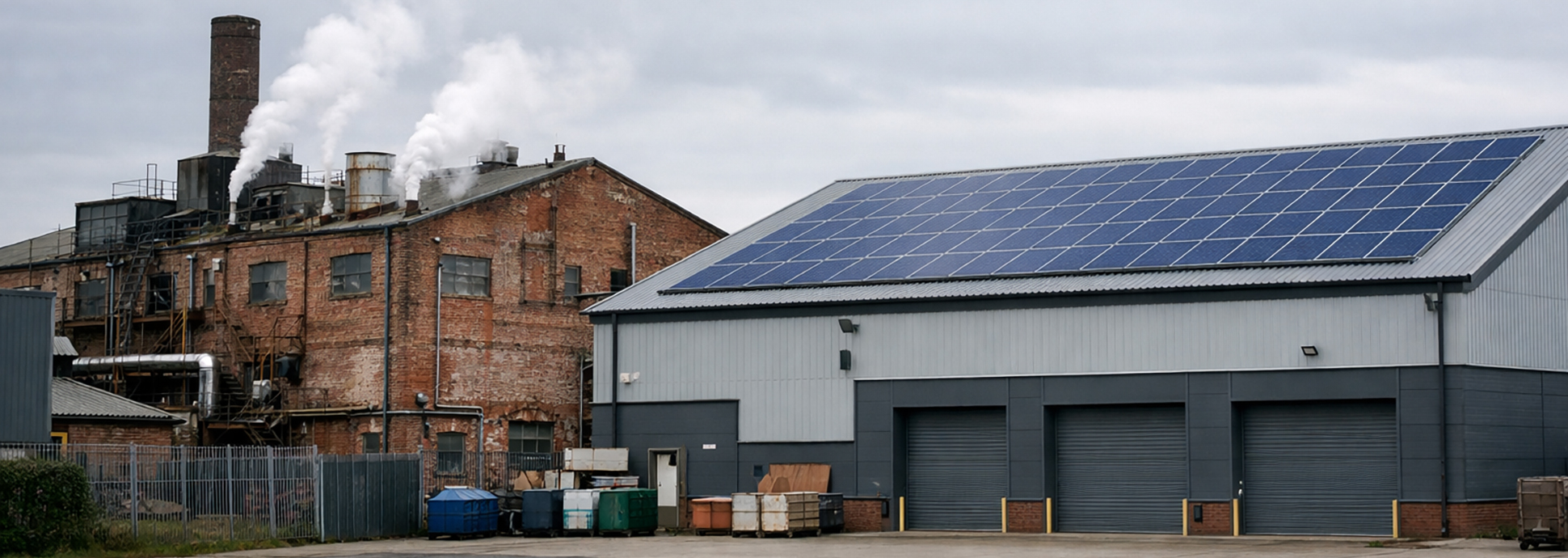
What solar power is
Solar power converts light from the sun into electricity. It does this without moving parts or fuel, relying instead on materials that react when exposed to light. When sunlight reaches a solar panel, it triggers a flow of electrical energy that can be used immediately or directed elsewhere.
The process is direct. There is no need to create heat or movement first. Light becomes electricity at the point of contact, which is what makes solar systems relatively simple in operation compared with many other forms of generation.
How electricity is produced
Solar panels are made up of cells, usually based on semiconductor materials. When sunlight hits these cells, it excites electrons, causing them to move. This movement creates an electrical current.
The electricity produced is initially direct current. It is then passed through an inverter, which converts it into alternating current so it can be used in standard electrical systems. From there, it can be used on site, stored, or exported depending on how the system is configured.
How output is influenced
Solar output depends mainly on light levels. Bright, direct sunlight produces the highest output, but panels will still generate electricity in lower light conditions. Cloud cover, shading, and the angle of the sun all influence performance.
The orientation and positioning of panels also matter. Systems that are well aligned with the path of the sun tend to perform more consistently throughout the day.
How effective solar power can be
Solar power can be highly effective where there is good exposure to daylight. Once installed, it produces electricity without ongoing fuel costs. This makes it a practical option for reducing reliance on externally supplied energy.
Efficiency at the panel level is lower than some other forms of generation, but this is balanced by the simplicity of the system and the absence of fuel consumption. Over time, consistent daily generation can make a meaningful contribution to overall energy use.
Where effectiveness can vary
The main limitation is variability. Solar output changes throughout the day and drops to zero at night. Seasonal differences also affect how much energy is produced over time. This means output is not constant and may not always align perfectly with demand.
Location plays a role as well. Areas with higher levels of sunlight will generally produce more energy. Obstructions such as nearby buildings or trees can also reduce performance by casting shade.
Operation and maintenance
Solar systems are relatively low maintenance. With no moving parts, there is less mechanical wear compared with other systems. Panels may need occasional cleaning to maintain performance, particularly where dust or debris can build up.
Inverters and electrical components require monitoring and may need replacement over time, but overall upkeep is predictable and straightforward.
How it fits into wider energy use
Solar power is often used alongside other energy sources. Because output varies, it is typically combined with systems that provide more consistent supply. This helps balance periods of lower generation.
Where conditions are suitable, solar provides a direct and practical way to generate electricity without ongoing fuel input. It forms part of a broader mix of energy approaches, each contributing in different ways to overall supply.