From single sources to mixed systems
Modern energy is built around a mix rather than a single method. Instead of relying on one dominant source, systems now combine several. Solar plays a central role because it produces electricity directly where it is needed, but it rarely operates alone.
You might have solar generating during the day, something steadier running in the background, and storage bridging the gaps. It is not one system replacing another. It is several working together, sometimes neatly, sometimes with a bit of juggling behind the scenes.
There is a lot more information about solar energy generation at prudentpower.co.uk.
How solar generation actually behaves
Solar panels convert light into electricity at the surface. There is no intermediate step like steam or rotation. When light hits the cells, current is produced. Simple in principle.
In practice, output rises and falls through the day. Early morning starts low, peaks when the sun is highest, then drops away again. Cloud cover softens it. Shade can knock sections out altogether. A bright winter day may still produce less than a dull summer one.
That changing pattern is what modern systems are designed around. Not constant output, but predictable variation.
Using electricity where it is generated
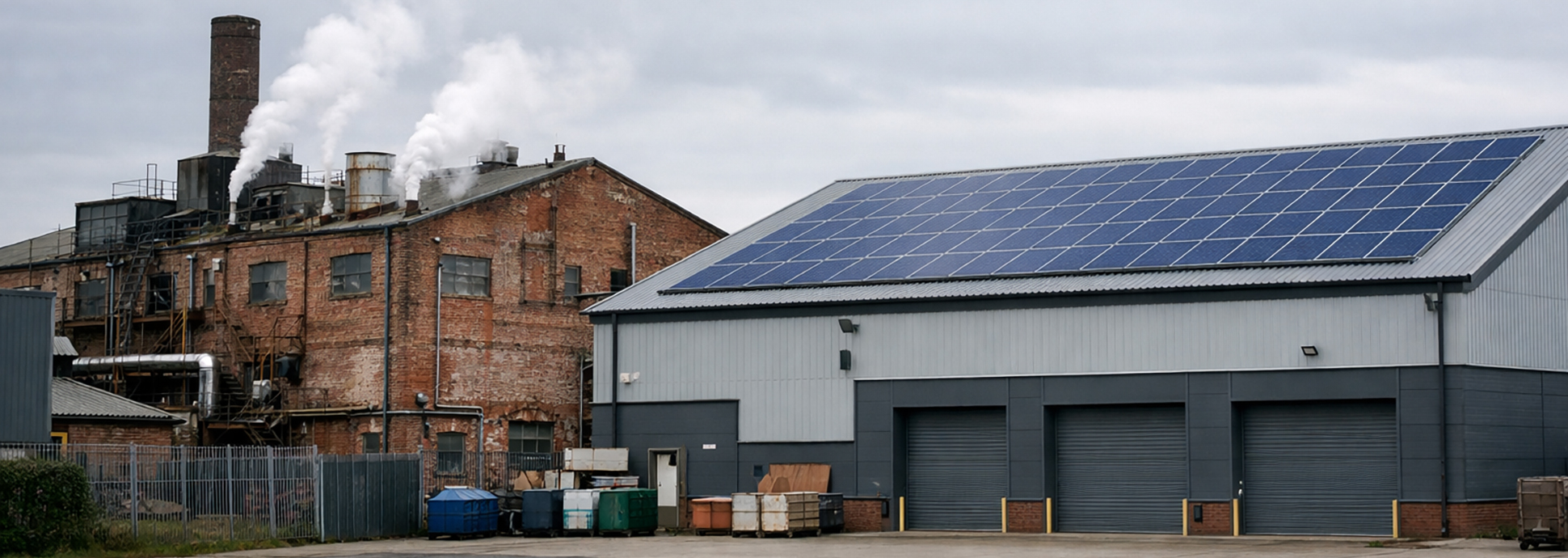
One noticeable shift is how close generation can be to use. Solar panels can sit directly on a building, feeding power straight into it. That reduces the need to draw everything from a distant source.
When generation matches demand, the system feels almost self-contained. During strong daylight, a large part of the required electricity may come directly from the panels above. When demand exceeds generation, the wider network fills the gap.
What happens when there is too much or too little
There are times when more electricity is produced than is needed. Without storage, that excess has to go somewhere, often back into a wider network. At other times, there is not enough, and additional supply is needed.
This is where balancing comes in. Systems constantly adjust, drawing power in or sending it out depending on what is happening at that moment. It is less about fixed output and more about keeping everything in step.
The role of storage in smoothing things out
Storage adds a layer of control that earlier systems did not have. Electricity generated during one part of the day can be held and used later. Batteries are the most familiar example, but the principle is broader than that.
Instead of losing surplus energy, it can be shifted to a time when it is more useful. That helps deal with the gap between daytime generation and evening demand. It does not remove variation entirely, but it softens it.
How systems are monitored and adjusted
Modern energy systems are constantly monitored. Output, demand, and flow are tracked in real time. Controls respond by adjusting how energy moves through the system.
Sometimes the changes are small, barely noticeable. Other times, they are more deliberate, shifting supply between sources or adjusting how stored energy is used. The aim is to keep everything balanced without interruption.
Effectiveness depends on how it all fits together
No single part defines how well the system works. Solar might perform strongly, but if it is poorly matched to demand, much of that energy may not be used effectively. Storage helps, but only up to a point. Other sources fill in the rest.
It comes down to fit. How generation lines up with usage. How quickly the system can respond when things change. A well-balanced setup makes better use of what is available, even when individual elements are inconsistent.
Where things are heading
The direction is towards more adaptable systems. More local generation, more storage, and more control over how electricity is used moment by moment. Not a single solution, but a network that can adjust as conditions change.
There is a certain contrast here. Earlier systems aimed for steady output at all times. Modern ones accept variation and work around it. Different approach, same goal, keeping power available when it is needed.